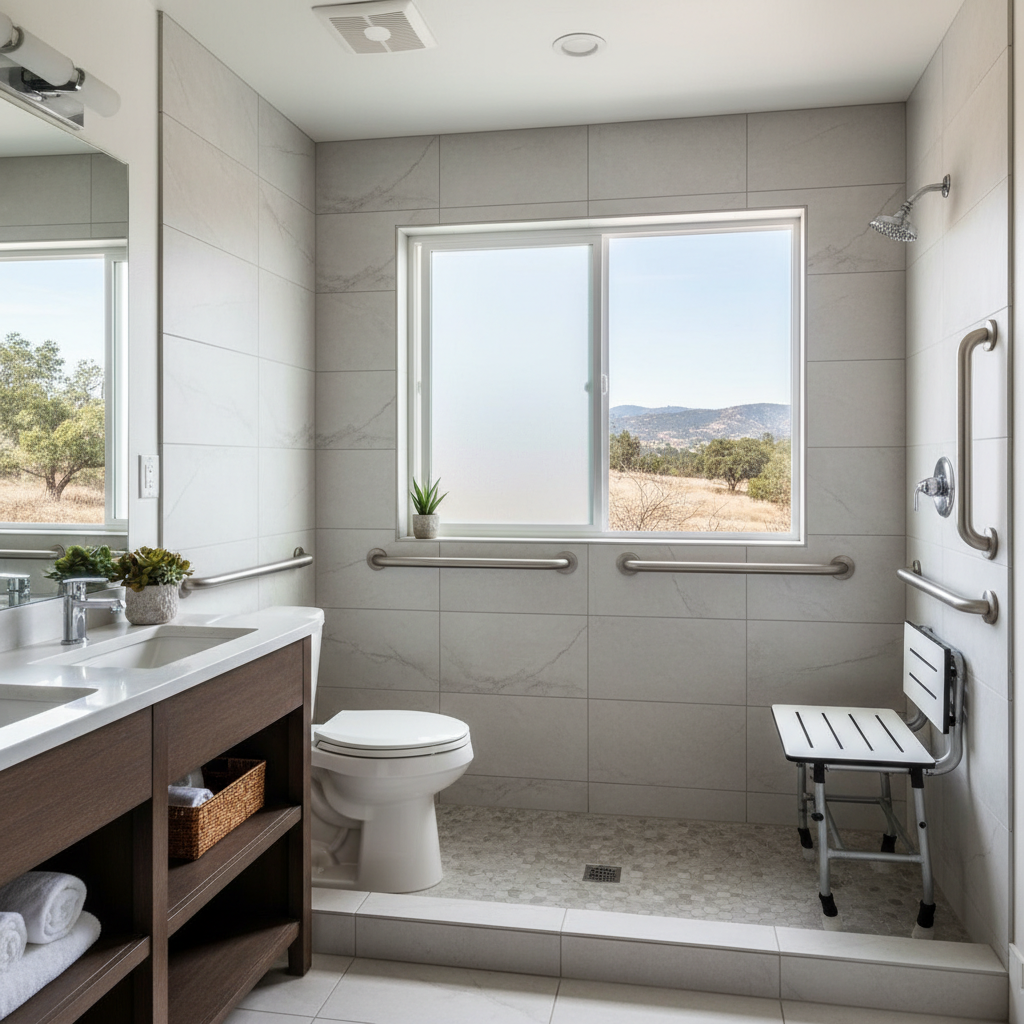
So, you've got yourself a beautiful, functional accessible bathroom. Maybe we even built it for you right here at Granada Hills Custom Bathrooms. That's fantastic! But the job isn't quite done once the last tile is laid. Just like any other spot in your house, an accessible bathroom needs a little tender loving care to keep it working perfectly and, even more important, safely.
Make Your Investment Last Longer
You poured money and thought into making your bathroom accessible, and naturally, you want that investment to stick around. A big part of that means protecting those specialized fixtures. For grab bars, please don't use them for pull-ups or to hang heavy stuff like wet towels or bathrobes. They're there for support, not as a gym accessory or a storage rack. Overloading them can loosen the anchors in the wall, and that's a huge safety risk, isn't it? The same goes for shower seats; they all have weight limits. Make sure you know yours and stick to it.
Another thing I see a lot around here, especially with our dry climate and hard water, is mineral buildup. This stuff can really gunk up showerheads, faucet aerators, and even the mechanisms in low-flow toilets. Cleaning them regularly with a descaling solution or just plain old vinegar can stop this from happening. It keeps water flowing freely and prevents parts from wearing out too soon.
If you've got roll-in showers, keep those thresholds and drains clear. Debris can block the drain, which leads to standing water – a slip hazard, and something that can damage your subfloor over time. Also, make sure the shower curtain or door seal is always doing its job, keeping water inside the shower area.
What Regular Maintenance Looks Like
This isn't exactly rocket science, but it does take some consistency. Here's a quick rundown:
- Weekly Wipe-Down: Clean all surfaces – grab bars, shower seats, toilets, sinks. Use non-abrasive cleaners, especially on any specialty finishes.
- Monthly Check-Up: Test all grab bars; put a little weight on them. Do they still feel solid? Give your shower seat a gentle wiggle. Check the shower drain for hair and soap scum buildup. Run the water in the sink and shower to make sure everything drains well.
- Quarterly Deep Clean: Descale showerheads and faucet aerators. Check the caulking around tubs, showers, and sinks for any cracks or mildew. If you spot cracks, that's a perfect spot for water to sneak in and cause damage.
- Annual Inspection: This is a good time to check your GFI outlets. Push the 'test' button, then the 'reset' button. It should trip and then reset. If it doesn't, you've got an electrical issue that needs a professional look. Also, check the anti-scald device on your shower. Just confirm the temperature limit is still set correctly and hasn't been accidentally bumped.
Our Granada Hills homes, especially some of those older ones up in the hills, can have some interesting plumbing quirks. Keeping an eye on things regularly really helps catch small issues before they blow up into big headaches.
Warning Signs of Problems
You use this bathroom every single day, so you'll be the first person to notice when something feels off. Don't ignore these:
- Loose Grab Bars or Shower Seats: This is a major one. Any give, wobble, or creaking means it's not secure. That's a fall just waiting to happen.
- Slow Drains: If water is pooling longer than it should, you've got a clog forming. Deal with it before it turns into a full blockage.
- Leaky Faucets or Toilets: Even a slow drip can waste water and, over time, lead to mold or water damage.
- Cracked Grout or Caulk: These are your waterproof barriers. If they're broken, water can seep into walls and floors, leading to rot and mildew.
- Unusual Odors: Musty smells might mean hidden mold or even a plumbing vent issue.
- Water Temperature Fluctuations: If your shower suddenly goes from hot to cold, or the other way around, it could be a problem with your anti-scald valve or water heater.
When It's Time to Call a Professional
Look, some things you can DIY, and some you really shouldn't. Don't risk your safety or further damage to your bathroom. You should definitely call in a pro if:
- A grab bar or shower seat is loose, and you can't easily re-secure it yourself. This often means the anchors are failing, and you need someone who knows how to properly reinforce the wall.
- You have a persistent leak you can't find or fix. Water damage is expensive, and frankly, it can be dangerous.
- Your GFI outlet fails the test or trips all the time. Electrical problems are absolutely not something to mess with.
- You suspect a deeper plumbing issue, like a main drain clog or a water pressure problem.
- You notice significant cracks in tiles or the subfloor is moving. This could point to structural issues.
- You're just plain uncomfortable with any repair. Your safety is worth it.
Taking care of your accessible bathroom isn't just about keeping it looking nice; it's about maintaining a safe, functional space that helps you stay independent. A little preventative maintenance really goes a long way. If you ever have questions or need a hand with a repair, you know who to call at Granada Hills Custom Bathrooms. We're here to help keep your accessible space working for you.