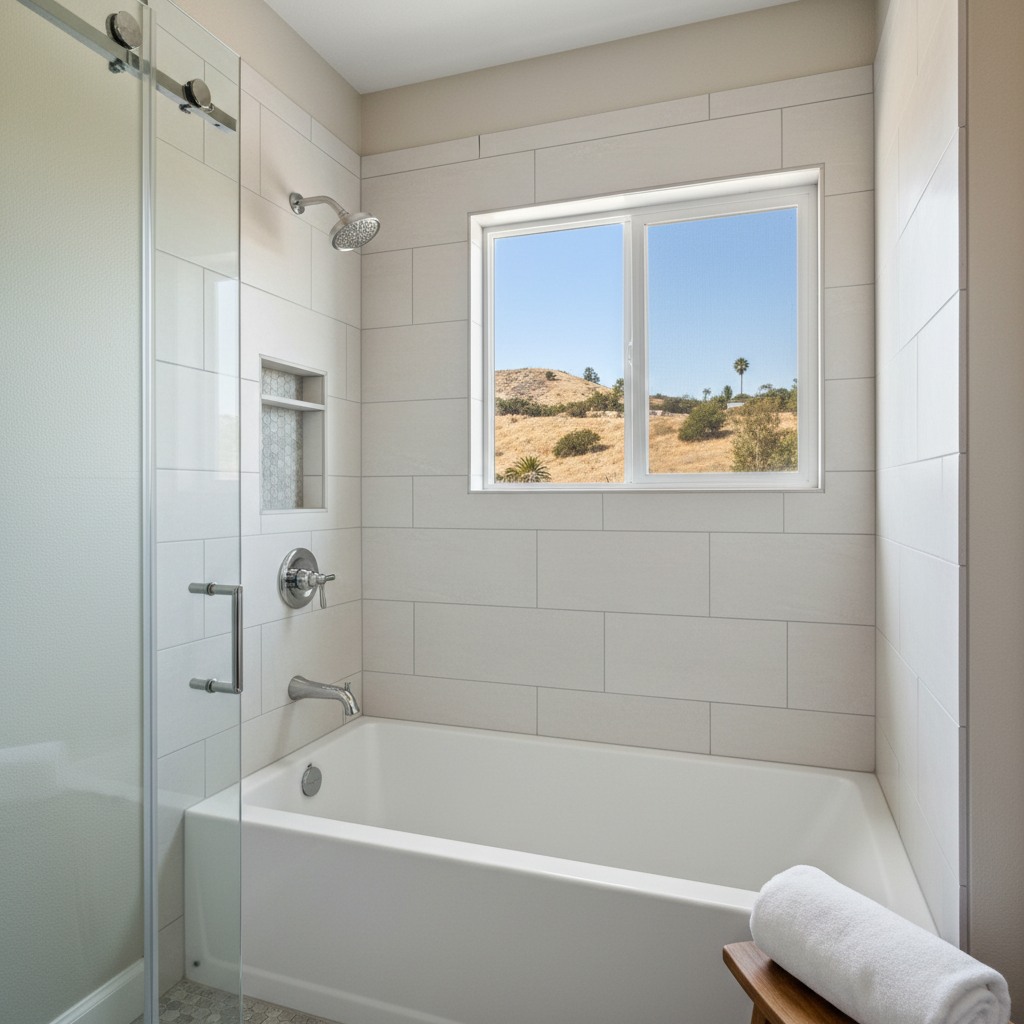
So, you're finally thinking about replacing that old bathtub, huh? Maybe it's chipped, stained, or just doesn't really fit your style anymore. Good call. A new tub can seriously change the whole feel of a bathroom, and it's one of those upgrades that usually pays off, whether you're planning to stay put or thinking about selling down the line. But let's be honest, the first thing on everyone's mind is always, "How much is this going to cost me?"
What Makes a New Bathtub So Expensive?
It's not just the tub itself, you know. Lots of things factor into the final price. Think of it like buying a car; you start with a base model, then all the upgrades and the labor to put them in really add up.
- The Tub Itself: This one's pretty obvious. A basic acrylic tub might set you back $300-$700. Cast iron, which is super tough and keeps water warm for ages, can be $800-$2,000+. Freestanding tubs, especially those elegant slipper or clawfoot styles, often start around $1,000 and can easily hit $4,000 or more for the really high-end ones. The material, size, and any special features (like jets or coatings) all affect this price.
- Labor Costs: This is where a big chunk of your budget goes. Taking out the old tub, getting the area ready, putting in the new one, hooking up the plumbing, and finishing the surrounding walls (like tile or drywall) takes time and skill. Expect labor to run anywhere from $800 to $2,500, depending on how complicated the job is. If we're talking about moving plumbing lines or hitting unexpected snags, that number can definitely climb.
- Plumbing Work: Sometimes, the existing plumbing lines just aren't in the right spot for your new tub, or they're old and need replacing anyway. This can add $200-$800, especially if we need to reroute supply lines or drain pipes.
- Demolition and Disposal: Getting rid of that old tub isn't free. Hauling away a heavy cast iron tub takes effort and a trip to the dump. Plan on $100-$300 for this.
- Wall Surrounds and Tiling: If you're just dropping a new tub into an existing alcove, you might only need some minor patch-up. But if you're upgrading to a new tile surround, that's a whole different ballgame. Tile materials can range from $2-$20 per square foot, plus the labor for installation, which can easily add another $500-$2,000 depending on the size and complexity of the tile work.
- Permits: For major plumbing changes or structural work, you might need a permit from the city. This usually costs $50-$200, but it's important to get it right to avoid headaches down the road.
Typical Bathtub Replacement Costs in Granada Hills
Alright, let's talk real numbers for folks right here in Granada Hills. Based on what I've seen in homes, from the older ranch styles near O'Melveny Park to the newer builds up in the hills, here's a general range:
- Basic Replacement (Tub-for-Tub, Same Footprint): If you're just swapping out an old standard tub for a new, similar one, keeping the plumbing and walls mostly intact, you're probably looking at $1,800 to $4,000. This includes a decent acrylic tub, removal, installation, and minor finishing touches.
- Mid-Range Upgrade (Better Tub, Some Wall Work): Want a nicer fiberglass or enamel-on-steel tub, maybe some new tile on the immediate surround? This project usually falls in the $4,000 to $7,500 range. This often means a bit more demolition and more extensive tile work.
- High-End or Conversion (Freestanding, Tub-to-Shower, etc.): If you're going for a luxury freestanding tub, converting a tub to a walk-in shower, or doing a full custom tile job from floor to ceiling, you could be looking at $7,500 to $15,000+. These projects are more involved and include higher material costs and more specialized labor.
Remember, these are just averages. Every job is unique. For example, if we uncover extensive water damage behind your old tub – and we've seen it happen in older homes where the original plumbing wasn't quite up to snuff – that's an unexpected cost that will need to be addressed.
What Should a Quote Include?
When you get a quote from Granada Hills Custom Bathrooms, or any other contractor, make sure it's detailed. It should clearly list:
- Cost of the new bathtub (model, material, size)
- Demolition and disposal of the old tub
- Labor for installation
- Any necessary plumbing modifications
- Materials for wall surrounds (tile, backer board, grout, etc.)
- Finishing touches (caulking, paint touch-ups)
- Permit fees (if applicable)
- Warranty information for both materials and labor
Don't settle for a one-line estimate. You really need to know exactly what you're paying for.
How to Avoid Overpaying
Nobody wants to feel ripped off. Here's how to make sure you're getting a fair deal:
- Get Multiple Bids: Always get at least three detailed quotes. This helps you compare not just the price, but also what's included and how different contractors approach the job.
- Check References and Reviews: A good contractor will have happy customers. Look for local reviews and ask for references.
- Don't Automatically Go for the Cheapest Bid: The lowest price often means corners are being cut, either in materials or labor. You definitely don't want a leaky tub or shoddy tile work a year from now, do you?
- Ask About Warranties: What's covered? For how long? A reputable contractor stands behind their work.
- Understand the Contract: Read everything before you sign. Make sure all your questions are answered and everything discussed is in writing.
Replacing a bathtub is a solid investment in your home's comfort and value. Do your homework, ask the right questions, and you'll end up with a beautiful new tub that you'll enjoy for years to come.